The boredom drain
When work is too easy, students disengage in ways teachers rarely catch — homework gets done, scores look fine, but the brain isn't building anything new. Years of this and a child quietly stops trying.
The work that grows a child's mind is neither the work they can already do, nor the work they cannot do at all. It is the narrow band in between. We obsess over keeping every student inside that band — measured, not guessed.
Vygotsky proposed three regions of difficulty for any given task. Move the marker below to see what happens inside a child's head in each one.
The child cannot do this alone yet — but can do it with a hint, an example, or a tutor nudge.
This is where new neural pathways form. The struggle is real but solvable, the win is earned, and confidence grows alongside skill. Vygotsky called this the only zone where learning actually happens.
“What a child can do with assistance today, she will be able to do by herself tomorrow.” — Lev Vygotsky, 1934
When work is too easy, students disengage in ways teachers rarely catch — homework gets done, scores look fine, but the brain isn't building anything new. Years of this and a child quietly stops trying.
When work is too hard, the child fails repeatedly without traction. The brain learns one lesson very well: “I am bad at this.” Self-efficacy collapses long before grades do.
Inside the ZPD, the child meets a problem just past their edge, struggles productively, and breaks through with a hint. That is the moment new neural connections form — and it is the moment confidence is built honestly.
A great human tutor reads the edge by feel. That doesn't scale to 30 students. AI can measure the edge continuously, in real time, for every child — freeing the human to do the part that actually requires a human.
Click each step to see what's happening — for the child, for the tutor, and for the data layer that ties them together.
Where is this child, right now?
Each session begins with a 3–5 minute calibration set covering the topic at multiple difficulties. The AI infers the current edge — not from a stale test from last term, but from how the child responded in the past 24 hours.
Until now, calibrating the ZPD relied on lagging signals — accuracy, time-to-solve, hint depth. All measured after the child got stuck. Focuslab is our in-house computer-vision model that reads microexpressions twice a second and tells us, in real time, whether the child is in Deep Focus, hitting a Eureka, or starting to Struggle. The edge isn't inferred. It's observed.
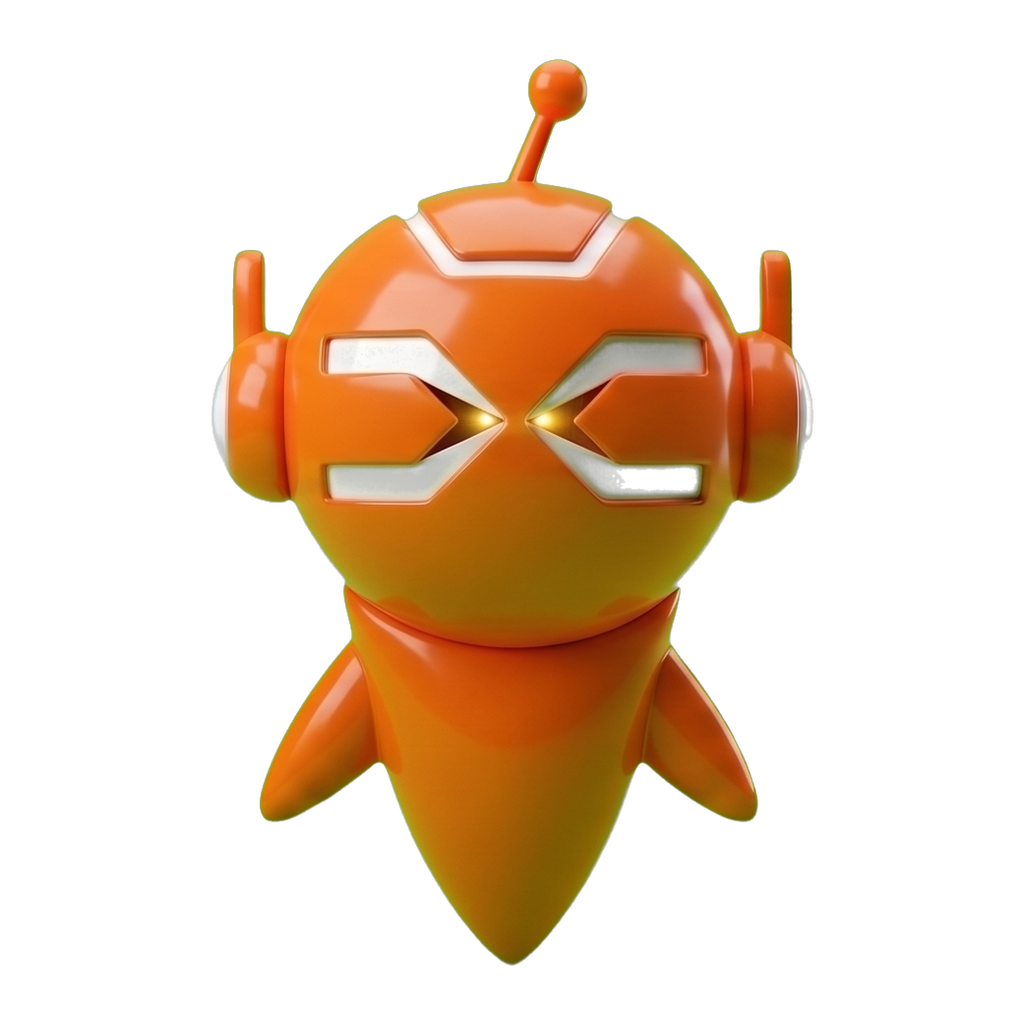
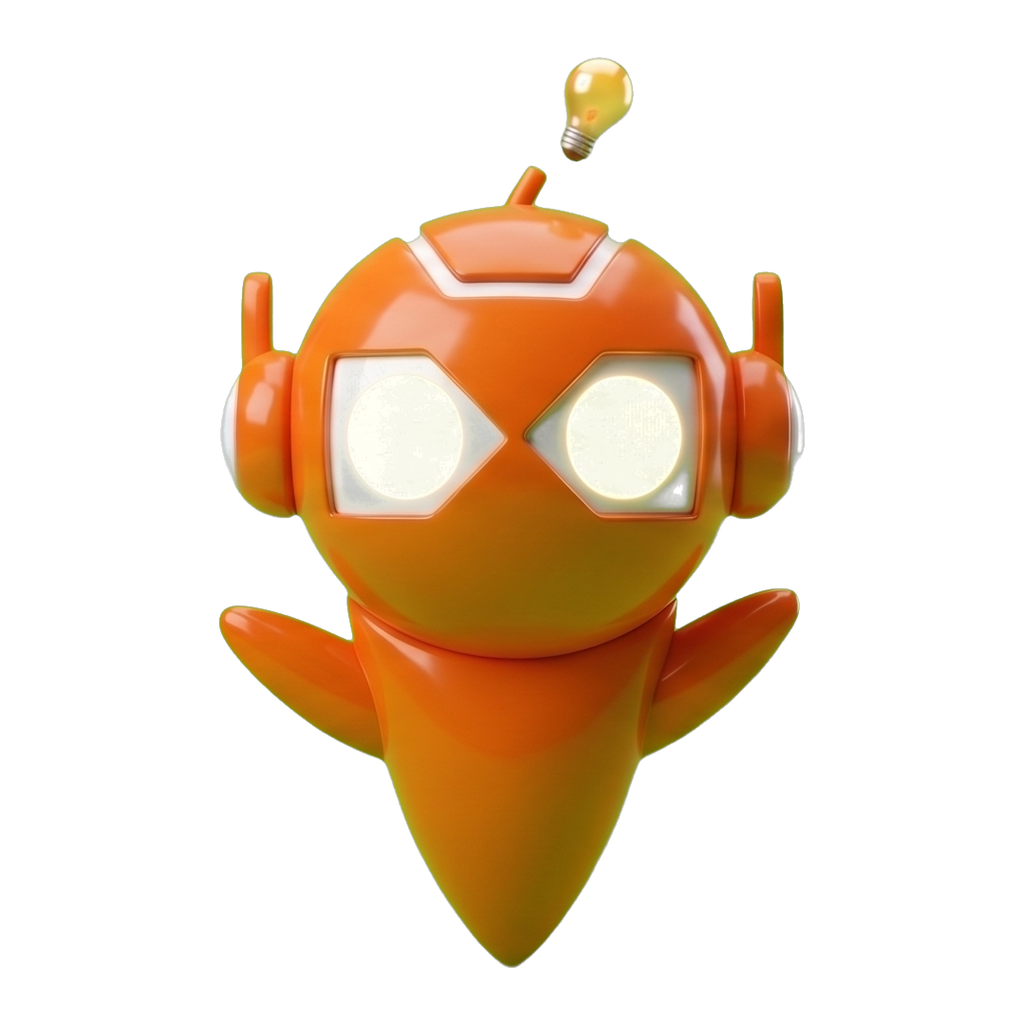
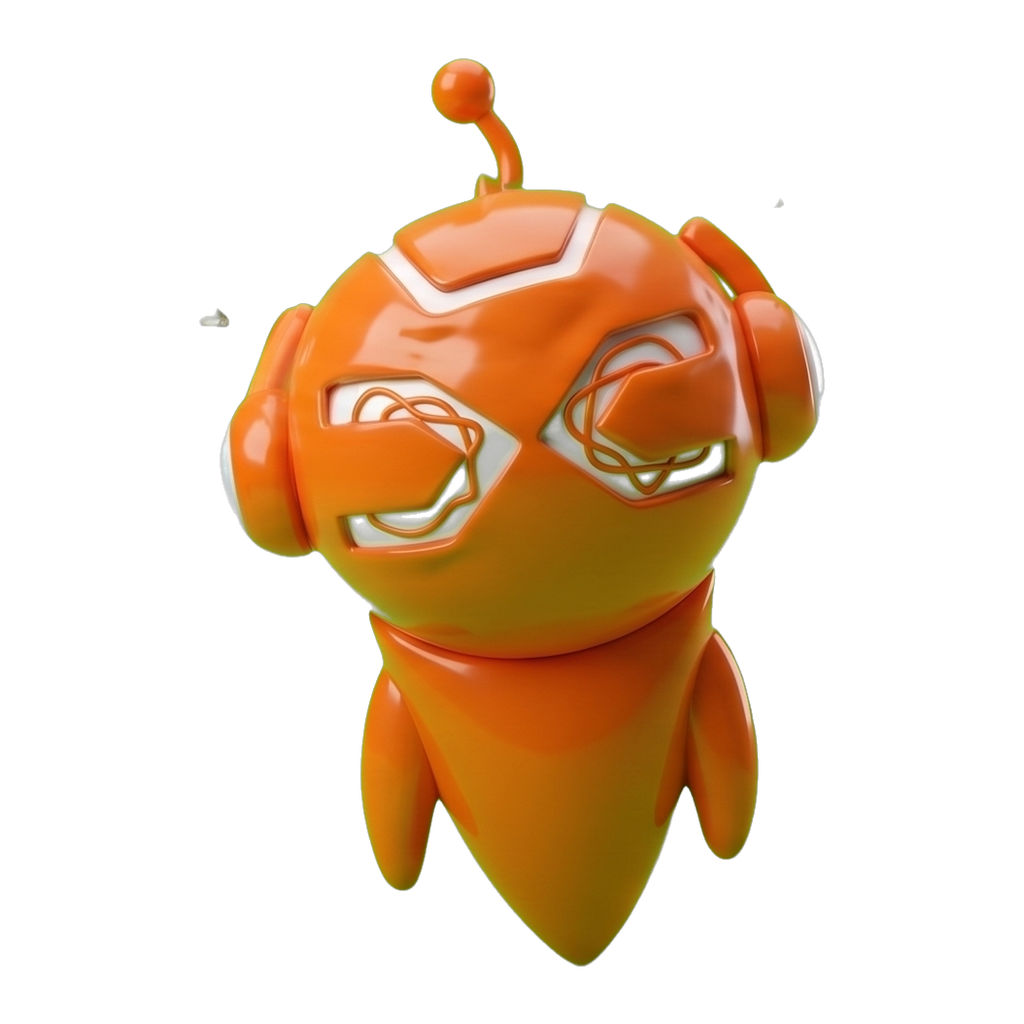
Wrong-answer streaks tell you a child is stuck after the fact. Microexpressions tell you 5–15 seconds earlier. The tutor walks over while the child is still curious — not after they've given up.
A clean Eureka spike followed by sustained focus is the most reliable signal that the child has internalised the concept. The system promotes them to the next difficulty rung — the ZPD has shifted, and we shift with it.
Sustained Struggle > 8 seconds without a Eureka spike means we picked the wrong rung. The next problem auto-targets a known scaffold for that misconception. The child never sits in frustration alone.
Focuslab runs in your browser — no install, no upload. Point your camera, write some code or read a passage, and watch the model classify your own focus state in real time.
Try the live demo ↗12 weeks of a real-shape progression. Accuracy stays in the 65–80% target band even as difficulty climbs — the signature of a child working at the edge of their ZPD, not above or below it.
What was attempted, where the tutor stepped in, and one specific concept that's firming up.
The week's edge — what moved, what's still stuck, what we're trying differently next week.
Mastery map by topic, ZPD band time, accuracy trends, and a written summary from the lead tutor.
Bring your child. We'll run a short calibration and show you, on screen, exactly where their current edge sits — and what we'd work on first.